A leak site wants your ID to remove your photos. Before you send it, read this.
You find an album of your private images. You ask for it to be removed. The reply asks you to prove you are the person pictured by sending a passport, a driving licence, or a selfie holding your ID.
That request can sound reasonable when you want the images gone. But it asks you to hand over more personal information to the people controlling the page you are trying to remove.
Before sending identity documents to an adult site, pause and get independent advice. The Revenge Porn Helpline specifically warns against providing passports, driving licences, or photographs of yourself holding them when reporting content to adult sites. Read the Helpline's reporting guidance.
You deserve a removal process that takes your privacy seriously from the first contact.
The risk behind “prove it's you”
An identity document can disclose your legal name, date of birth, document number, face, and sometimes your home address. A selfie holding it puts your face and those details together in one image.
If an album identifies you only by a username, that extra information could connect the account to your offline identity. In the hands of a hostile operator, it could be used to identify, threaten, or harass you.
Police.uk explains why this matters: it can be difficult to know what an adult site will do with the information you supply, and sharing identity documents can increase the risk of identity theft, sextortion, or blackmail. Read the police guidance.
A page labelled “content removal” does not, by itself, establish that the recipient will protect your documents. A site's conduct and accountability matter more than where it is hosted. Offshore hosting alone does not prove that an operator is malicious.
What the evidence actually shows
Publishing identity documents alongside intimate images is a documented form of abuse. In a 2019 cyberstalking case, the U.S. Department of Justice reported that a man posted a woman's intimate photos together with screenshots of her driving licence, college ID, and Social Security card, plus her phone number and address. He pleaded guilty to cyberstalking. Read the DOJ account.
Exploiting people who want images removed is documented, too. In 2018, the FTC and Nevada obtained a court order shutting down MyEx after the court found violations involving nonconsensual intimate images, personal information, and takedown fees. Read the FTC announcement.
Those cases establish real harms. They do not establish that the identity documents were collected through a removal request and then added to the same album. We have not independently verified that specific sequence in the public sources reviewed for this article.
Could a hostile operator publish a verification photo beside the images you wanted removed? That is a plausible misuse of a document you hand over, rather than an outcome we can say is inevitable or common. The documented warnings are already a strong reason to be careful about the recipient.
You can seek removal without personally negotiating with the operator
You do not have to deal with the operator yourself. An authorised representative can file the removal request in its own name, using its own business contact details where the process allows.
The point to reconsider is when a removal attempt starts demanding sensitive documents from you, especially if the recipient has already ignored reports, threatened you, or demanded payment.
Before responding, save the messages and the affected page URLs. Avoid supplying additional personal details while you seek help from an independent support organisation or removal provider.
There are also routes that do not require negotiating with the original publisher. Google and Bing can remove intimate images shared without consent from their search results. We file those requests for the links in your case. Removal from search hides a page; it does not delete it.
For eligible adults, StopNCII creates a digital fingerprint of intimate content on your device and shares that fingerprint with participating platforms. The original image stays on your device. Its coverage is limited to participating platforms. How StopNCII works.
How IntimaShield handles the contact for you
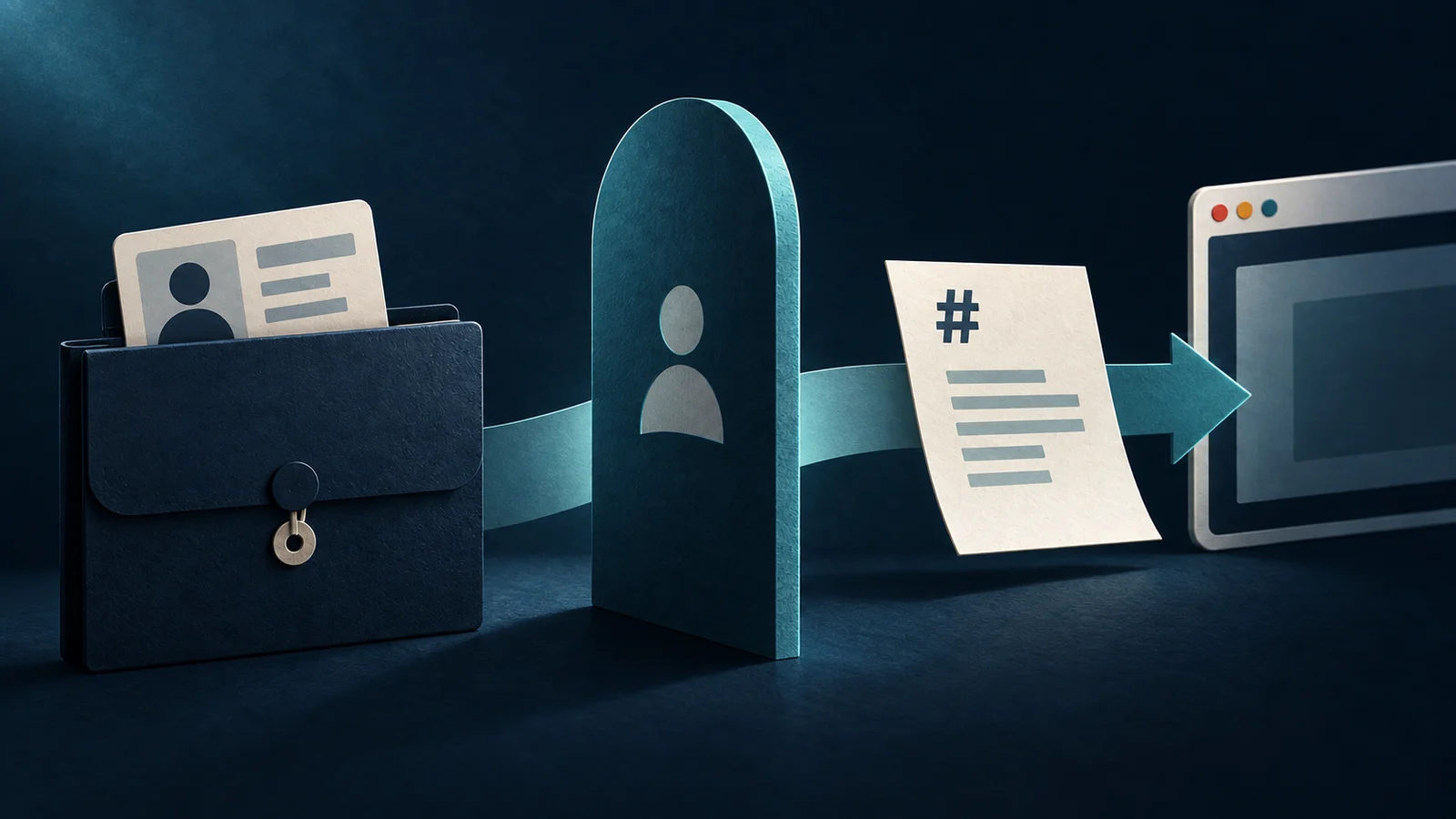
IntimaShield's Emergency Takedown service is built for people who already have links to content they want removed. You submit the URLs and complete our identity verification and authorisation process. We handle notices, follow-up, and applicable escalation on your behalf.
Our standard removal notices identify IntimaShield as the authorised agent and use a case reference. Where appropriate, we pursue routes involving the hosting provider, infrastructure providers, domain registrar, payment services, and search engines.
We do require identity verification. Our intake uses Stripe Identity and facial matching to establish who is authorising the request. This happens through our intake process; customers do not have to personally negotiate a verification demand with a leak-site operator. Anyone choosing a removal provider should understand its verification process, privacy terms, and disclosure practices before submitting documents.
Removal outcomes depend on the receiving platform. We continue removal requests and applicable follow-up while eligible links in the agreed case remain live. Your case records the work and unresolved links; no removal outcome is guaranteed. Source removal and removal from search results are separate outcomes.
Before sending more of your identity to a site you don't trust, let us handle the removal request. See IntimaShield Emergency Takedown.
If you already sent a document, you are not to blame for someone misusing it. Preserve the correspondence and seek support before responding to further demands.
Already have links?
Review my removal scope to see the domain count and one-time price before paying. Need links first? Start a free text-only scan. Search only for yourself or with explicit permission; results are possible matches, not proof that every copy has been found.